Amed, Bali: Where Volcanoes Meet the Sea
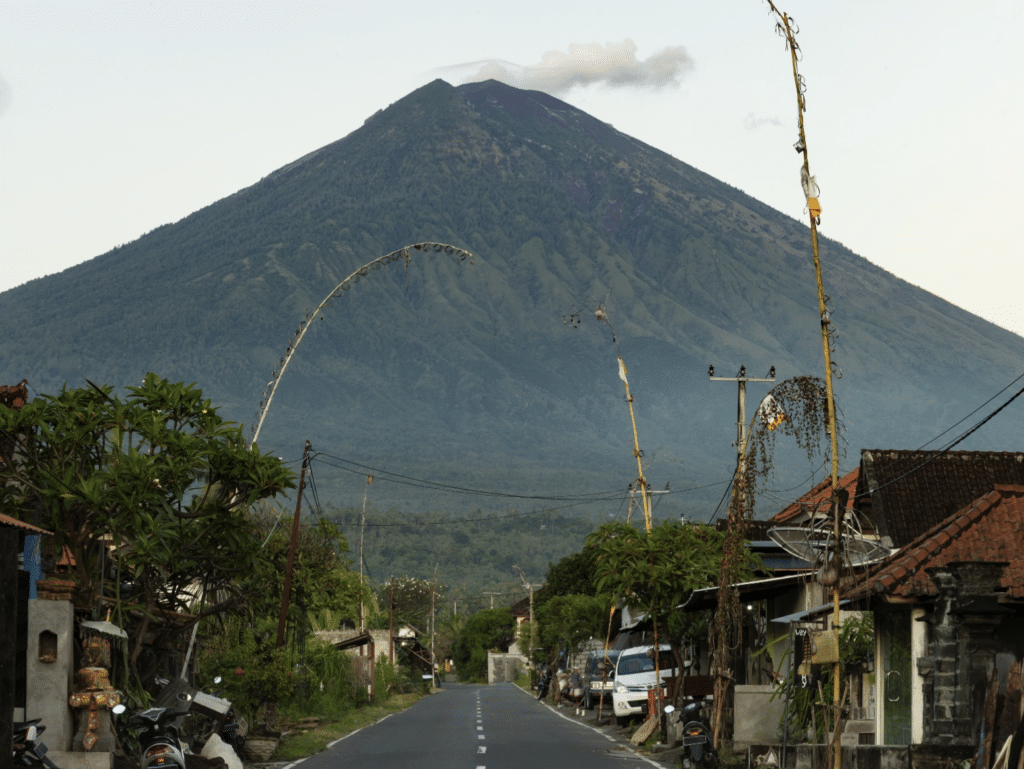
There’s something about arriving in Amed that makes you want to slow down. The road follows the coastline, fishing boats line the beaches, and Mount Agung rises behind the village rooftops. You might arrive with a full itinerary, but leave a little space in it. A morning by the water has a way of turning into an entire day. On Bali’s northeast coast, in the Karangasem region, Amed is known for diving and snorkelling. But there is much more to discover here, whether you spend every morning underwater or prefer to keep your feet on dry land. From volcanic scenery and traditional salt-making to coastal cafés and East Bali’s water palaces, here’s our guide to Amed and why we love calling it home. What Is Amed Like? When travellers talk about Amed, they usually mean the stretch of coastal villages and bays that includes places such as Jemeluk, Bunutan and Lipah. Rather than one compact town centre, you’ll find places to eat, stay and explore spread along the coast. The sea is part of everyday life here. Traditional fishing boats sit beside beach restaurants, divers get ready for their next outing, and the hills provide a backdrop to the coastal road. There are cafés, restaurants and places to enjoy an evening drink, but the appeal is the slower pace. If your ideal holiday involves a morning in the sea, a good meal and an afternoon with very little planned, you’ll probably settle in quite quickly. Our advice? Give yourself time to enjoy being here, rather than treating Amed as a quick stop between other destinations. Mount Agung and Amed’s Volcanic Landscape Look along the coast on a clear day and Mount Agung is difficult to miss. Bali’s highest volcano gives this part of the island its distinctive skyline, rising above the bays and villages below. Many beaches around Amed have dark volcanic sand and pebbles. Combined with the blue sea and steep hills, they give the coastline a very different appearance from the pale sandy beaches visitors sometimes picture when planning a Bali holiday. Agung’s history is also part of East Bali’s history. Its major eruption in 1963–1964 devastated surrounding areas, and another eruptive period took place between 2017 and 2019. For local communities, the mountain is much more than a scenic backdrop. You don’t need to climb it to appreciate its scale. Take time to look back towards the mountain from the coast, particularly when the clouds clear. Sometimes the best view of your holiday is the one you weren’t rushing to reach. Amed’s History: Fishing Boats and Sea Salt Long before travellers arrived with dive bags and cameras, coastal livelihoods here were built around fishing and salt production. Both remain important parts of Amed’s identity. The colourful boats along the shoreline are called jukung: traditional outrigger boats used by local fishers. And yes, that’s where our name comes from. Amed also has a salt-making tradition passed down through generations. Producers use seawater, local soil and a series of filtering and drying stages, with brine left to evaporate in hollowed coconut trunks. Bali Amed Salt received Indonesian geographical indication protection in 2015, recognising the connection between the product, its place of origin and its traditional production methods. If you’re interested in seeing the process, ask about a local visit during your stay. Production depends on suitable weather, so it’s worth checking what is happening rather than expecting a demonstration every day. Buying locally produced salt is also a lovely way to bring a small piece of Amed home. Things to Do in Amed Beyond Diving Explore the Coast, One Bay at a Time Give yourself a morning to discover the different bays rather than staying in one spot throughout your visit. Jemeluk and Lipah are well-known places to start, with opportunities to spend time by the water and stop for something to eat. Amed’s beaches vary, so expect a mixture of sand, stones and pebbles. Bring footwear you’re comfortable walking in and take your time finding your favourite stretch of coast. Make Time for Sunrise and Mountain Views An early start is worth considering here. Head towards the shore to watch the morning light over the sea, or ask about a local boat outing for a different view of the coastline. Later in the day, find somewhere overlooking the bays and settle in for a drink. Mount Agung’s appearance changes with the clouds and light, so don’t assume one cloudy afternoon means you’ve missed your chance to see it. Discover the Salt-Making Tradition For a closer connection to Amed’s history, spend some time learning about its sea salt. It’s an opportunity to understand the work behind something you might otherwise only notice on a restaurant table. Ask before entering working areas or taking photographs, and let the producers explain their own methods. These are working livelihoods as well as something interesting for visitors to discover. Leave an Afternoon Unplanned Not every day needs an excursion. Have a long lunch, read by the pool or find a beachside table and stay for another coffee. We know we’re a dive resort, but we’re very much in favour of a holiday that includes doing absolutely nothing for a while. You don’t have to earn an afternoon off by filling the morning. Places to Visit Near Amed Amed also makes a useful base for exploring more of East Bali. Plan these outings with transport in mind, as the attractions are spread out. Tirta Gangga Water Palace Tirta Gangga is a former royal water garden associated with the Karangasem kingdom. Its pools, fountains, statues and stepping stones make it a lovely change of scenery after time on the coast. Give yourself time to wander through the grounds rather than stopping only for a photograph. It’s an easy place to build a relaxed outing around, with lunch along the way. Taman Ujung Water Palace Also known as Taman Soekasada Ujung, this historic royal water palace has pools, bridges, gardens and elevated viewpoints. If you
Small but Spectacular: A Guide to Amed’s Incredible Macro Life

When people imagine diving in Bali, they often picture manta rays, shipwrecks, turtles and enormous schools of fish. But some of Amed’s most fascinating marine life could fit comfortably in the palm of your hand, and finding it can be just as exciting as encountering something several metres long. Welcome to the wonderfully strange world of macro diving, where nudibranchs steal the show, seahorses disappear before your eyes and what initially looks like a rock suddenly gets up and swims away. Amed and the neighbouring Tulamben area offer some of Bali’s best opportunities to slow down, look closely and discover the tiny creatures hiding across its reefs and volcanic sand. What is Macro Diving? Macro diving is all about searching for the ocean’s smaller inhabitants. Rather than covering as much distance as possible, you move slowly across the reef or seabed, carefully examining corals, sea fans, rocks and seemingly empty patches of sand. At first, you may wonder what everyone is staring at. Then your guide points towards something no bigger than your fingernail, and suddenly a perfectly camouflaged pygmy seahorse appears. Once you begin noticing the smaller details, an entirely new version of the reef opens up. Even divers who arrive dreaming of turtles and sharks often surface completely obsessed with a tiny frogfish or an especially colourful nudibranch. Why is Amed so good for macro diving? Amed’s underwater landscape is wonderfully varied. Colourful coral reefs, dramatic walls, gorgonian sea fans and areas of dark volcanic sand create habitats for an extraordinary range of small marine species. The black-sand sites are particularly special for underwater photography. Their simple, dark backgrounds allow the colours and details of small creatures to stand out beautifully in photographs. Many sites are also accessible from the shore, giving divers the time to enter calmly and begin exploring without a long boat journey. However, successful macro diving is less about rushing to a particular location and more about diving slowly with somebody who knows exactly where—and how—to look. Meet Amed’s smallest stars: Every dive is different, and wildlife sightings can never be guaranteed. That is part of what makes finding these creatures so rewarding. Some of the macro life you may encounter around Amed and Tulamben includes: Nudibranchs: Nudibranchs are tiny sea slugs, but that description hardly does them justice. They appear in an incredible variety of colours, patterns and shapes, from bright purple and electric blue to orange, yellow and pink. Spotting your first one is exciting. Spotting your tenth and realising they are all completely different is usually when the obsession begins. Pygmy seahorses: Masters of camouflage, pygmy seahorses live among the branches of gorgonian sea fans and can be extremely difficult to see. Their colour and texture closely resemble their surroundings, helping these tiny animals almost disappear into the coral. At sites such as Pyramids and the Japanese Shipwreck, a patient search of the sea fans may reveal one, but you will probably need your guide to point it out several times before you finally see it. Frogfish: Frogfish take camouflage to another level. With unusual shapes, textured skin and the ability to blend into sponges or coral, they are very easy to mistake for part of the reef. They do not swim like most fish, either. Frogfish often use their modified fins to shuffle across the seabed, giving them one of the strangest walks in the ocean. Ghost pipefish: Delicate, unusual and impressively well disguised, ghost pipefish can resemble leaves, seagrass or small pieces of coral drifting in the water. They are sometimes found around Amed’s reefs, including Jemeluk Bay. Finding one requires a good eye, a slow pace and usually some help from a local guide who has spent years learning their favourite hiding places. Harlequin shrimp: With their striking patterns and almost unreal colouring, harlequin shrimp are among the most photogenic creatures found at Amed’s muck-diving sites. They can be elusive, which makes an encounter feel particularly special. Seraya Secret and Melasti are known for fascinating little critters, including these beautifully patterned shrimp. Leaf scorpionfish and mimic octopuses: Leaf scorpionfish gently sway with the movement of the water, helping them resemble a fallen leaf. Mimic octopuses use colour, shape and movement to imitate other marine animals and avoid danger. Both are wonderful examples of the clever survival strategies happening quietly across the seabed while larger fish swim overhead. Where can you find macro life around Amed? Different dive sites offer different underwater environments, so the best location will depend on the conditions, your experience and what you hope to find. Jemeluk Bay is Jukung Dive’s house reef and is home to nudibranchs, leaf scorpionfish and occasional ghost pipefish and mimic octopuses. Its accessible shallows also make it suitable for newer divers, while the wall offers plenty for more experienced visitors to explore. Pyramids combines artificial reef structures with coral, sea fans and a varied collection of marine life. Look carefully and you may find pygmy seahorses, frogfish and other small creatures hiding among the reef. The Japanese Shipwreck offers much more than the wreck itself. The surrounding slope and reef provide excellent macro opportunities, with nudibranchs, leaf fish, frogfish and pygmy seahorses among the possible sightings. Seraya Secret, near Tulamben, is one of the area’s best-known muck-diving sites. Its dark sandy seabed may initially appear quiet, but patient divers can discover nudibranchs, harlequin shrimp and many other unusual critters. Melasti Amed offers another black-sand environment where macro lovers and underwater photographers can search for some of the area’s smallest and most unusual residents. Our team chooses dive sites according to the latest conditions and each diver’s experience, giving you the best and safest possible day underwater. The secret is learning to slow down! Macro diving completely changes the pace of a dive. Instead of racing across the reef, you stop, settle and pay attention. Good buoyancy is especially important. Staying comfortably above the seabed protects delicate marine life, prevents sand from reducing visibility and makes it easier to
Where History Meets the Reef: Diving Amed’s Most Amazing Wrecks
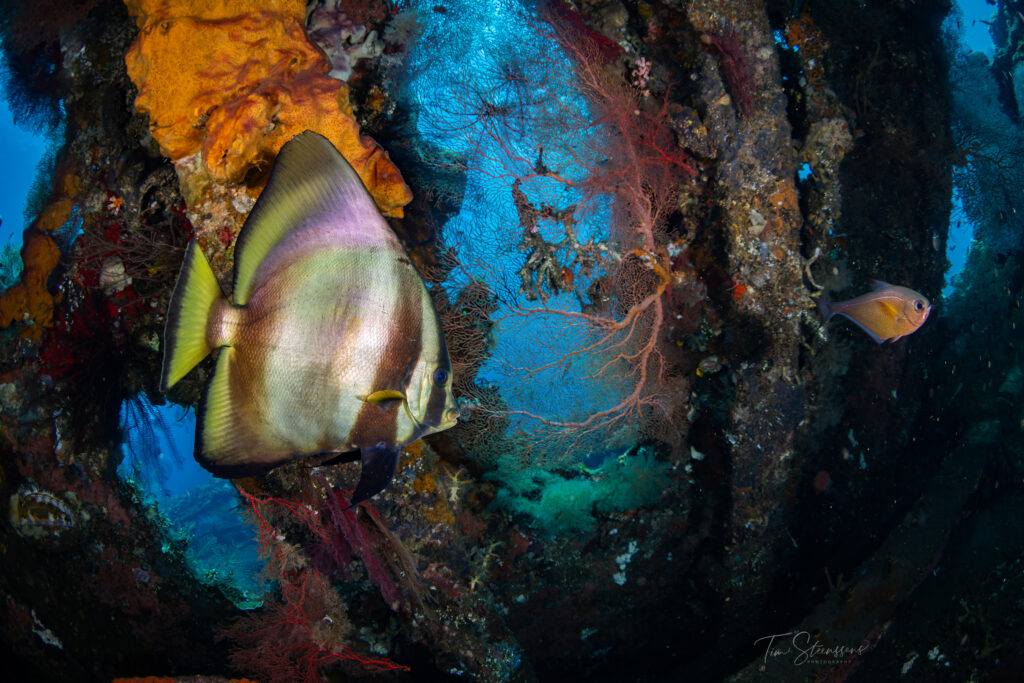
Discover the fascinating wrecks of Amed, where history, colourful coral reefs and thriving marine life come together to create some of Bali’s most rewarding dives.