When people imagine diving in Bali, they often picture manta rays, shipwrecks, turtles and enormous schools of fish. But some of Amed’s most fascinating marine life could fit comfortably in the palm of your hand, and finding it can be just as exciting as encountering something several metres long.
Welcome to the wonderfully strange world of macro diving, where nudibranchs steal the show, seahorses disappear before your eyes and what initially looks like a rock suddenly gets up and swims away.
Amed and the neighbouring Tulamben area offer some of Bali’s best opportunities to slow down, look closely and discover the tiny creatures hiding across its reefs and volcanic sand.


What is Macro Diving?
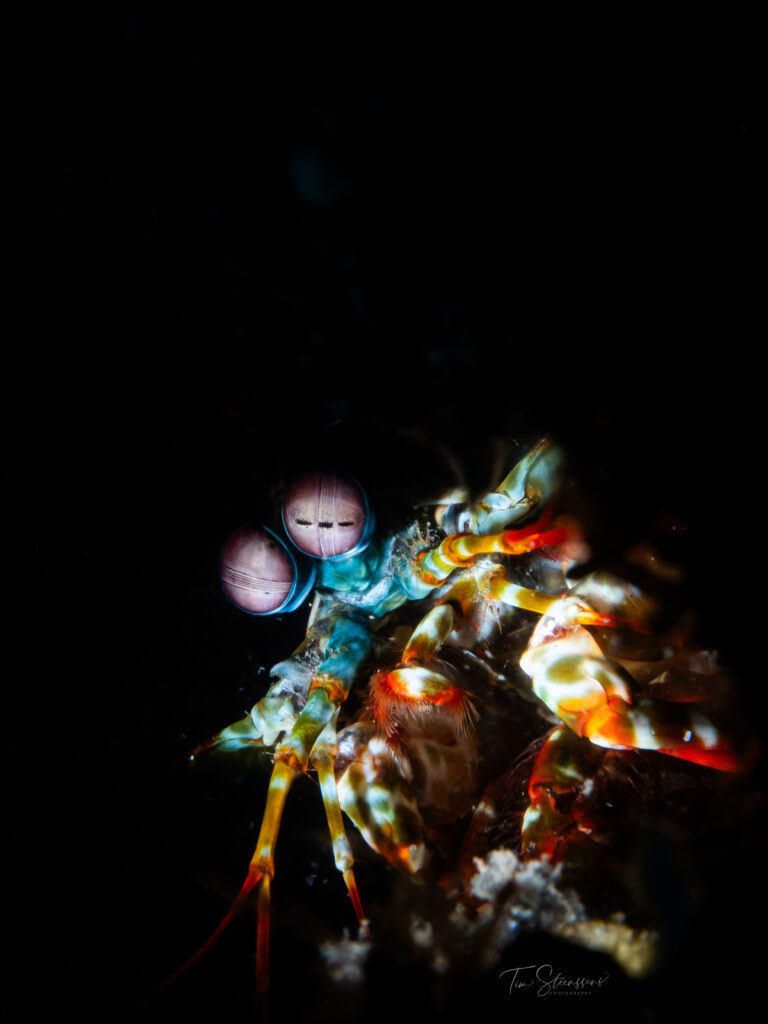
Macro diving is all about searching for the ocean’s smaller inhabitants. Rather than covering as much distance as possible, you move slowly across the reef or seabed, carefully examining corals, sea fans, rocks and seemingly empty patches of sand.
At first, you may wonder what everyone is staring at. Then your guide points towards something no bigger than your fingernail, and suddenly a perfectly camouflaged pygmy seahorse appears.
Once you begin noticing the smaller details, an entirely new version of the reef opens up. Even divers who arrive dreaming of turtles and sharks often surface completely obsessed with a tiny frogfish or an especially colourful nudibranch.
Why is Amed so good for macro diving?
Amed’s underwater landscape is wonderfully varied. Colourful coral reefs, dramatic walls, gorgonian sea fans and areas of dark volcanic sand create habitats for an extraordinary range of small marine species.
The black-sand sites are particularly special for underwater photography. Their simple, dark backgrounds allow the colours and details of small creatures to stand out beautifully in photographs.
Many sites are also accessible from the shore, giving divers the time to enter calmly and begin exploring without a long boat journey. However, successful macro diving is less about rushing to a particular location and more about diving slowly with somebody who knows exactly where—and how—to look.
Meet Amed’s smallest stars:
Every dive is different, and wildlife sightings can never be guaranteed. That is part of what makes finding these creatures so rewarding. Some of the macro life you may encounter around Amed and Tulamben includes:
Nudibranchs: Nudibranchs are tiny sea slugs, but that description hardly does them justice. They appear in an incredible variety of colours, patterns and shapes, from bright purple and electric blue to orange, yellow and pink. Spotting your first one is exciting. Spotting your tenth and realising they are all completely different is usually when the obsession begins.
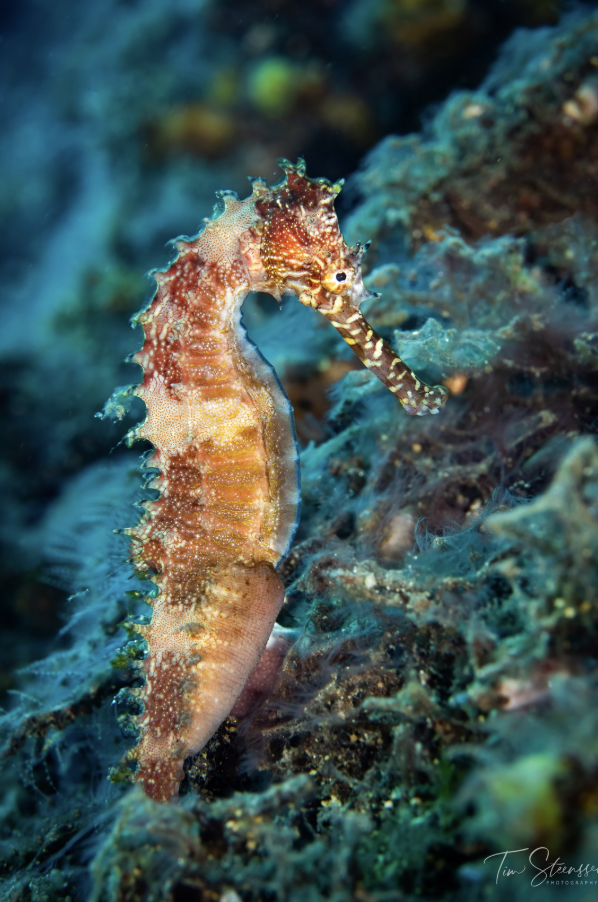
Pygmy seahorses: Masters of camouflage, pygmy seahorses live among the branches of gorgonian sea fans and can be extremely difficult to see. Their colour and texture closely resemble their surroundings, helping these tiny animals almost disappear into the coral. At sites such as Pyramids and the Japanese Shipwreck, a patient search of the sea fans may reveal one, but you will probably need your guide to point it out several times before you finally see it.
Frogfish: Frogfish take camouflage to another level. With unusual shapes, textured skin and the ability to blend into sponges or coral, they are very easy to mistake for part of the reef. They do not swim like most fish, either. Frogfish often use their modified fins to shuffle across the seabed, giving them one of the strangest walks in the ocean.
Ghost pipefish: Delicate, unusual and impressively well disguised, ghost pipefish can resemble leaves, seagrass or small pieces of coral drifting in the water. They are sometimes found around Amed’s reefs, including Jemeluk Bay. Finding one requires a good eye, a slow pace and usually some help from a local guide who has spent years learning their favourite hiding places.
Harlequin shrimp: With their striking patterns and almost unreal colouring, harlequin shrimp are among the most photogenic creatures found at Amed’s muck-diving sites. They can be elusive, which makes an encounter feel particularly special. Seraya Secret and Melasti are known for fascinating little critters, including these beautifully patterned shrimp.
Leaf scorpionfish and mimic octopuses: Leaf scorpionfish gently sway with the movement of the water, helping them resemble a fallen leaf. Mimic octopuses use colour, shape and movement to imitate other marine animals and avoid danger. Both are wonderful examples of the clever survival strategies happening quietly across the seabed while larger fish swim overhead.


Where can you find macro life around Amed?
Different dive sites offer different underwater environments, so the best location will depend on the conditions, your experience and what you hope to find.
Jemeluk Bay is Jukung Dive’s house reef and is home to nudibranchs, leaf scorpionfish and occasional ghost pipefish and mimic octopuses. Its accessible shallows also make it suitable for newer divers, while the wall offers plenty for more experienced visitors to explore.
Pyramids combines artificial reef structures with coral, sea fans and a varied collection of marine life. Look carefully and you may find pygmy seahorses, frogfish and other small creatures hiding among the reef.
The Japanese Shipwreck offers much more than the wreck itself. The surrounding slope and reef provide excellent macro opportunities, with nudibranchs, leaf fish, frogfish and pygmy seahorses among the possible sightings.
Seraya Secret, near Tulamben, is one of the area’s best-known muck-diving sites. Its dark sandy seabed may initially appear quiet, but patient divers can discover nudibranchs, harlequin shrimp and many other unusual critters.
Melasti Amed offers another black-sand environment where macro lovers and underwater photographers can search for some of the area’s smallest and most unusual residents.
Our team chooses dive sites according to the latest conditions and each diver’s experience, giving you the best and safest possible day underwater.
The secret is learning to slow down!
Macro diving completely changes the pace of a dive. Instead of racing across the reef, you stop, settle and pay attention. Good buoyancy is especially important. Staying comfortably above the seabed protects delicate marine life, prevents sand from reducing visibility and makes it easier to observe or photograph a creature without disturbing it.
It is also important not to touch, move or reposition animals for a photograph. The best encounters happen when we remain patient and allow marine life to behave naturally. A skilled local guide makes an enormous difference. Our guides know these reefs intimately and are remarkably good at finding animals most of us would swim straight past. Do not worry if you cannot see what they are pointing at immediately—it happens to everyone!
A dream destination for underwater photographers
Amed’s variety of marine life and underwater landscapes makes it a brilliant destination for macro photography. You do not need professional equipment to enjoy it. A compact camera or phone in a suitable underwater housing can produce fantastic results, especially with an external light. More important than the equipment is patience, good buoyancy and respect for the animal you are photographing. Move slowly, avoid crowding the subject and never sacrifice the reef, or your dive buddy, for the perfect shot.
Discover the little things with Jukung Dive
Big marine encounters may be spectacular, but there is something uniquely rewarding about finding a creature that has been hiding in plain sight.
Whether you are an experienced underwater photographer, a lifelong nudibranch enthusiast or simply curious to discover a different side of Bali’s marine life, macro diving in Amed offers a new surprise on almost every dive.
Tell our team what you would love to see, and our experienced local guides will help choose the most suitable sites and search for Amed’s smallest underwater stars.
Ready to look a little closer? Explore our Amed dive sites or contact Jukung Dive to start planning your next diving adventure.