Small but Spectacular: A Guide to Amed’s Incredible Macro Life

When people imagine diving in Bali, they often picture manta rays, shipwrecks, turtles and enormous schools of fish. But some of Amed’s most fascinating marine life could fit comfortably in the palm of your hand, and finding it can be just as exciting as encountering something several metres long. Welcome to the wonderfully strange world of macro diving, where nudibranchs steal the show, seahorses disappear before your eyes and what initially looks like a rock suddenly gets up and swims away. Amed and the neighbouring Tulamben area offer some of Bali’s best opportunities to slow down, look closely and discover the tiny creatures hiding across its reefs and volcanic sand. What is Macro Diving? Macro diving is all about searching for the ocean’s smaller inhabitants. Rather than covering as much distance as possible, you move slowly across the reef or seabed, carefully examining corals, sea fans, rocks and seemingly empty patches of sand. At first, you may wonder what everyone is staring at. Then your guide points towards something no bigger than your fingernail, and suddenly a perfectly camouflaged pygmy seahorse appears. Once you begin noticing the smaller details, an entirely new version of the reef opens up. Even divers who arrive dreaming of turtles and sharks often surface completely obsessed with a tiny frogfish or an especially colourful nudibranch. Why is Amed so good for macro diving? Amed’s underwater landscape is wonderfully varied. Colourful coral reefs, dramatic walls, gorgonian sea fans and areas of dark volcanic sand create habitats for an extraordinary range of small marine species. The black-sand sites are particularly special for underwater photography. Their simple, dark backgrounds allow the colours and details of small creatures to stand out beautifully in photographs. Many sites are also accessible from the shore, giving divers the time to enter calmly and begin exploring without a long boat journey. However, successful macro diving is less about rushing to a particular location and more about diving slowly with somebody who knows exactly where—and how—to look. Meet Amed’s smallest stars: Every dive is different, and wildlife sightings can never be guaranteed. That is part of what makes finding these creatures so rewarding. Some of the macro life you may encounter around Amed and Tulamben includes: Nudibranchs: Nudibranchs are tiny sea slugs, but that description hardly does them justice. They appear in an incredible variety of colours, patterns and shapes, from bright purple and electric blue to orange, yellow and pink. Spotting your first one is exciting. Spotting your tenth and realising they are all completely different is usually when the obsession begins. Pygmy seahorses: Masters of camouflage, pygmy seahorses live among the branches of gorgonian sea fans and can be extremely difficult to see. Their colour and texture closely resemble their surroundings, helping these tiny animals almost disappear into the coral. At sites such as Pyramids and the Japanese Shipwreck, a patient search of the sea fans may reveal one, but you will probably need your guide to point it out several times before you finally see it. Frogfish: Frogfish take camouflage to another level. With unusual shapes, textured skin and the ability to blend into sponges or coral, they are very easy to mistake for part of the reef. They do not swim like most fish, either. Frogfish often use their modified fins to shuffle across the seabed, giving them one of the strangest walks in the ocean. Ghost pipefish: Delicate, unusual and impressively well disguised, ghost pipefish can resemble leaves, seagrass or small pieces of coral drifting in the water. They are sometimes found around Amed’s reefs, including Jemeluk Bay. Finding one requires a good eye, a slow pace and usually some help from a local guide who has spent years learning their favourite hiding places. Harlequin shrimp: With their striking patterns and almost unreal colouring, harlequin shrimp are among the most photogenic creatures found at Amed’s muck-diving sites. They can be elusive, which makes an encounter feel particularly special. Seraya Secret and Melasti are known for fascinating little critters, including these beautifully patterned shrimp. Leaf scorpionfish and mimic octopuses: Leaf scorpionfish gently sway with the movement of the water, helping them resemble a fallen leaf. Mimic octopuses use colour, shape and movement to imitate other marine animals and avoid danger. Both are wonderful examples of the clever survival strategies happening quietly across the seabed while larger fish swim overhead. Where can you find macro life around Amed? Different dive sites offer different underwater environments, so the best location will depend on the conditions, your experience and what you hope to find. Jemeluk Bay is Jukung Dive’s house reef and is home to nudibranchs, leaf scorpionfish and occasional ghost pipefish and mimic octopuses. Its accessible shallows also make it suitable for newer divers, while the wall offers plenty for more experienced visitors to explore. Pyramids combines artificial reef structures with coral, sea fans and a varied collection of marine life. Look carefully and you may find pygmy seahorses, frogfish and other small creatures hiding among the reef. The Japanese Shipwreck offers much more than the wreck itself. The surrounding slope and reef provide excellent macro opportunities, with nudibranchs, leaf fish, frogfish and pygmy seahorses among the possible sightings. Seraya Secret, near Tulamben, is one of the area’s best-known muck-diving sites. Its dark sandy seabed may initially appear quiet, but patient divers can discover nudibranchs, harlequin shrimp and many other unusual critters. Melasti Amed offers another black-sand environment where macro lovers and underwater photographers can search for some of the area’s smallest and most unusual residents. Our team chooses dive sites according to the latest conditions and each diver’s experience, giving you the best and safest possible day underwater. The secret is learning to slow down! Macro diving completely changes the pace of a dive. Instead of racing across the reef, you stop, settle and pay attention. Good buoyancy is especially important. Staying comfortably above the seabed protects delicate marine life, prevents sand from reducing visibility and makes it easier to
The Giants Are Back: Mola Mola Season Has Arrived

If you’ve been anywhere near our dive centre in the last few weeks, you’ve probably overheard someone talking about “mola mola season.” It’s that time of year again — the cold water is moving in off Nusa Penida, and with it comes the fish every diver on the island is hoping to see. Meet the Fish That Looks Unfinished: Mola Mola The mola mola — often called the ocean sunfish, though the animal most divers actually meet at Crystal Bay is its larger cousin, the Mola Ramsayi (Giant Sunfish) — is one of the strangest things you’ll ever see underwater. Picture a fish that’s mostly head, with two oversized fins and a frilled little tail stuck on the back almost as an afterthought. Adults can stretch past three metres and weigh well over a tonne, yet they spend most of their lives far below diving depth, cruising cold water at 200 metres or more, hunting jellyfish and salps. A few months a year, they come up. That’s the part we’re all waiting for. Chasing the Cold Water Mola season at Crystal Bay typically runs from July through to October, with sightings peaking in August and September. Cold-water upwelling pushes deep water — and the mola that live in it — up to depths divers can actually reach, usually somewhere between 18 and 30 metres. Mornings, before the day-boats arrive and before the sun has had time to warm the shallows, tend to give you the best shot. Crystal Bay gets most of the fame, and for good reason — there’s a well-known cleaning station there where the fish hang mid-water while smaller reef fish pick parasites off their skin, which is exactly the behaviour that gives divers a chance to watch them for more than a few fleeting seconds. But it’s far from the only place they turn up. We regularly see them at Sental, Buyuk, Ped, Toyapakeh, SD Point, and Blue Garden too — and we even had a sighting at Manta Point recently, which isn’t somewhere you’d normally expect one. Point being: keep your eyes on the blue all season, not just at Crystal Bay. The Thermocline Is Your Friend Here’s the honest version: you’ll start the dive in warm, clear surface water, and then at some point on the descent you’ll hit a wall of cold. That thermocline is a good sign, not a bad one — it means the upwelling is doing its job. Water temperature at mola depth can drop to 18–20°C, noticeably colder than the rest of a Bali dive, so if you’re joining us for this one, bring (or borrow) a proper 5mm wetsuit rather than your usual 3mm. Visibility can drop when the cold water pushes through too. That’s normal, and honestly it’s part of what makes the moment so memorable — you’re hovering in the blue, slightly cold, scanning the edge of visibility, when this enormous grey shape just appears out of nowhere and hangs there, completely unbothered by you. One tip our guides always give: if you do spot one, don’t swim straight at it. Molas are shy — approach slowly from the side, stay low, and let it come to you if it’s going to. The Honest Odds We have expert guides who know the signs — a school of bannerfish “waiting” at a cleaning station, that first drop in temperature, the way the current behaves at a known corner — and that knowledge genuinely stacks the odds in your favour. But we won’t pretend a sighting is ever guaranteed. This is wild, unpredictable wildlife behaviour, not a show on a schedule, and any operator who promises otherwise isn’t being straight with you. What you’re actually watching, if you’re lucky, is a cleaning session: the mola holds still in the water column while smaller fish pick parasites off its skin. It’s a genuinely fragile moment — if the mola feels crowded or pressured, it will simply sink back into the deep and the moment is over. That’s why our guides keep the group slow, low, and at a respectful distance, and why we ask you to do the same: no chasing, no cutting across its path, no crowding the cleaning station, and no flash photography. Give it space, let the cleaner fish finish their work, and let the mola decide how close it wants to come. Even on the dives where a mola doesn’t show, you’re still diving one of the most complete reef systems on the island — healthy coral, dramatic drop-offs, and a genuine chance at reef sharks and mantas nearby. Come Search For The Elusive Mola Mola With Us! Our Nusa Penida boat dives run daily through mola season, with early departures specifically timed to give you the best odds before the crowds arrive. If you’re staying with us at the Penida resort, you’ve got the added advantage of multiple mornings to try — which, with a fish this unpredictable, genuinely makes a difference. Get in touch via WhatsApp or drop us a message to check availability for this season
Where History Meets the Reef: Diving Amed’s Most Amazing Wrecks
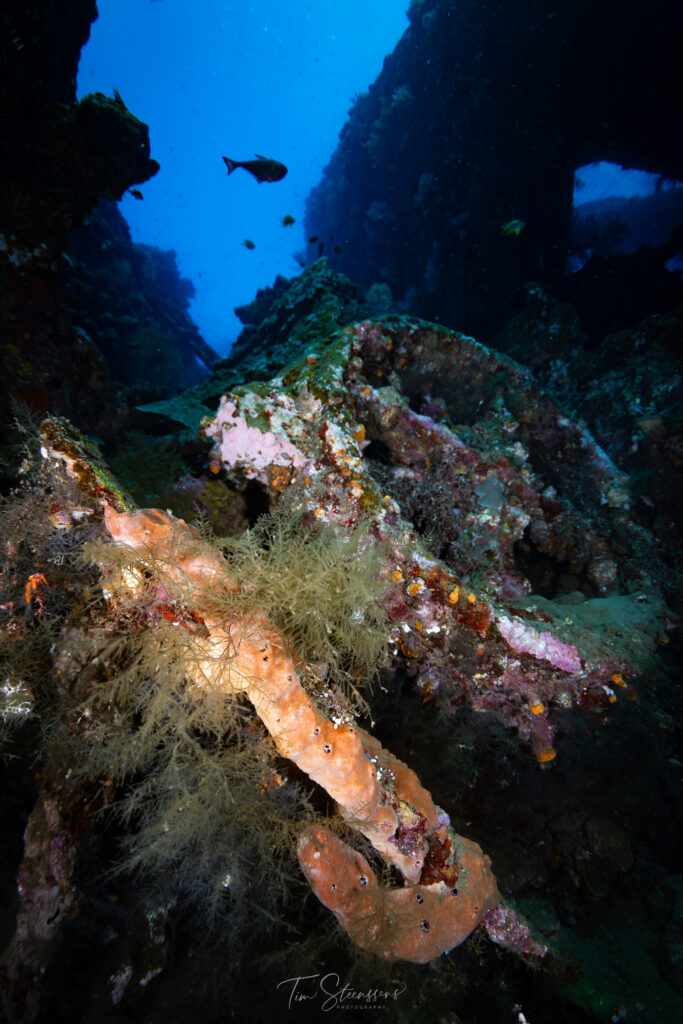
Discover the fascinating wrecks of Amed, where history, colourful coral reefs and thriving marine life come together to create some of Bali’s most rewarding dives.
Why Nusa Penida is so Unforgettable: Indonesia’s Most Incredible Island
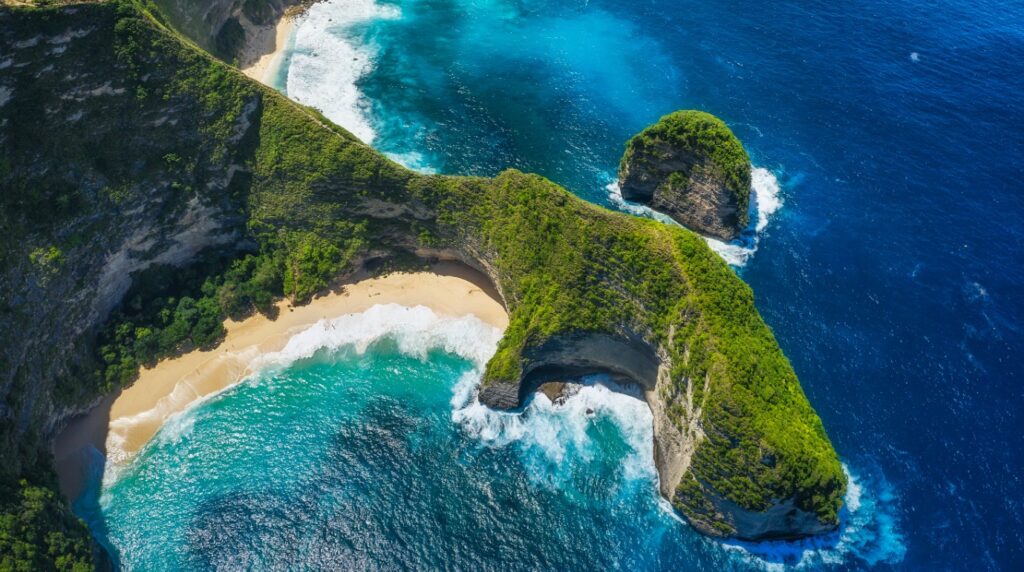
Discover why Nusa Penida is one of Indonesia’s most unforgettable islands, from breathtaking viewpoints and world-class diving to rich marine life, dramatic landscapes and unforgettable adventures.
What Makes a Great Diver: Insights From a PADI Instructor
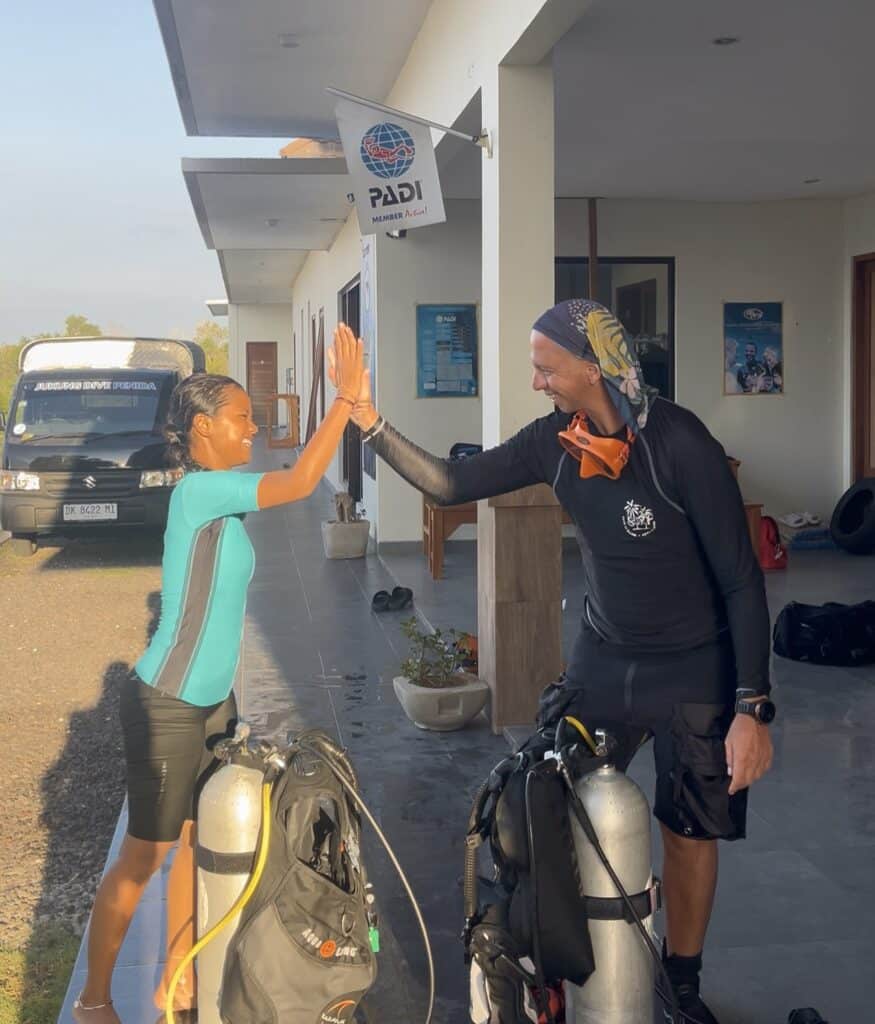
Great diving is about more than passing your course. Learn expert tips from a PADI instructor on building confidence, improving your skills, and becoming a safer, more capable diver in Nusa Penida.
Protecting Manta Rays in Nusa Penida: More Than A Dive Site
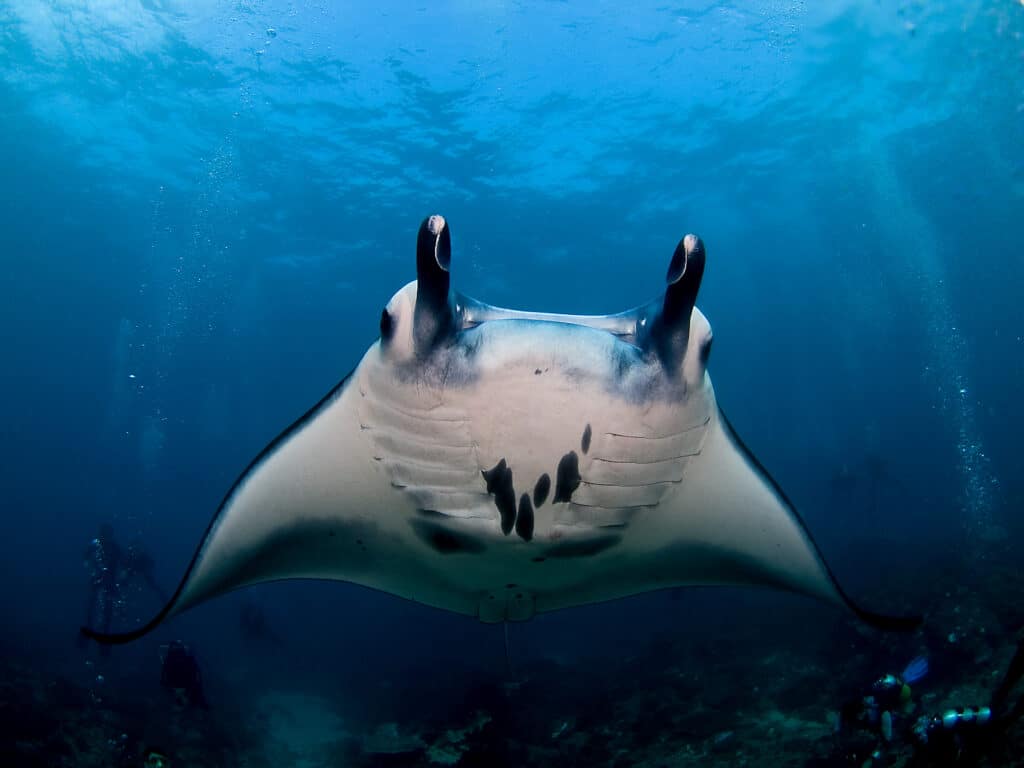
Discover why Nusa Penida’s manta rays are among the ocean’s most remarkable creatures and learn how responsible diving helps protect these gentle giants while creating unforgettable underwater experiences.
First Breath To Blue Water: A Beginner’s Guide To Diving in Nusa Penida
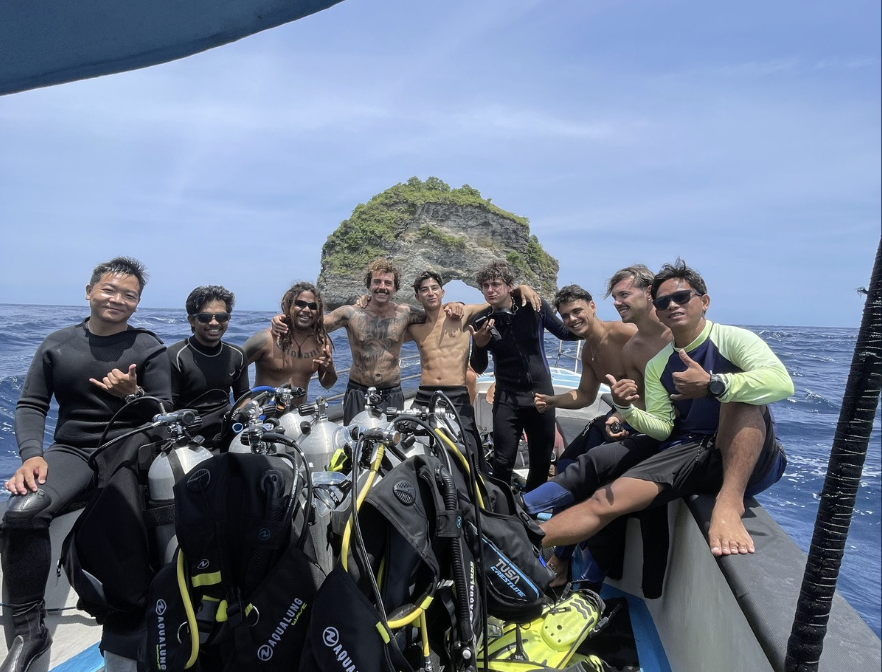
Discover why Nusa Penida’s manta rays are much more than a bucket-list dive. Learn fascinating facts about these gentle giants and how responsible diving helps protect one of Bali’s most iconic marine species.