Amed, Bali: Where Volcanoes Meet the Sea
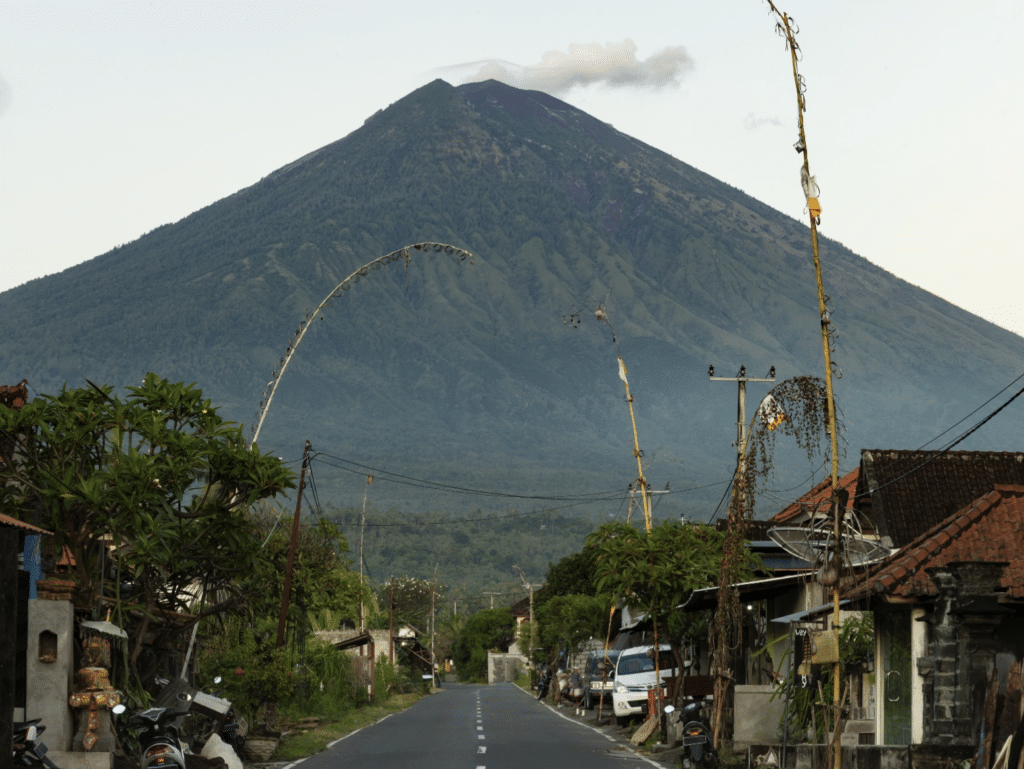
There’s something about arriving in Amed that makes you want to slow down. The road follows the coastline, fishing boats line the beaches, and Mount Agung rises behind the village rooftops. You might arrive with a full itinerary, but leave a little space in it. A morning by the water has a way of turning into an entire day. On Bali’s northeast coast, in the Karangasem region, Amed is known for diving and snorkelling. But there is much more to discover here, whether you spend every morning underwater or prefer to keep your feet on dry land. From volcanic scenery and traditional salt-making to coastal cafés and East Bali’s water palaces, here’s our guide to Amed and why we love calling it home. What Is Amed Like? When travellers talk about Amed, they usually mean the stretch of coastal villages and bays that includes places such as Jemeluk, Bunutan and Lipah. Rather than one compact town centre, you’ll find places to eat, stay and explore spread along the coast. The sea is part of everyday life here. Traditional fishing boats sit beside beach restaurants, divers get ready for their next outing, and the hills provide a backdrop to the coastal road. There are cafés, restaurants and places to enjoy an evening drink, but the appeal is the slower pace. If your ideal holiday involves a morning in the sea, a good meal and an afternoon with very little planned, you’ll probably settle in quite quickly. Our advice? Give yourself time to enjoy being here, rather than treating Amed as a quick stop between other destinations. Mount Agung and Amed’s Volcanic Landscape Look along the coast on a clear day and Mount Agung is difficult to miss. Bali’s highest volcano gives this part of the island its distinctive skyline, rising above the bays and villages below. Many beaches around Amed have dark volcanic sand and pebbles. Combined with the blue sea and steep hills, they give the coastline a very different appearance from the pale sandy beaches visitors sometimes picture when planning a Bali holiday. Agung’s history is also part of East Bali’s history. Its major eruption in 1963–1964 devastated surrounding areas, and another eruptive period took place between 2017 and 2019. For local communities, the mountain is much more than a scenic backdrop. You don’t need to climb it to appreciate its scale. Take time to look back towards the mountain from the coast, particularly when the clouds clear. Sometimes the best view of your holiday is the one you weren’t rushing to reach. Amed’s History: Fishing Boats and Sea Salt Long before travellers arrived with dive bags and cameras, coastal livelihoods here were built around fishing and salt production. Both remain important parts of Amed’s identity. The colourful boats along the shoreline are called jukung: traditional outrigger boats used by local fishers. And yes, that’s where our name comes from. Amed also has a salt-making tradition passed down through generations. Producers use seawater, local soil and a series of filtering and drying stages, with brine left to evaporate in hollowed coconut trunks. Bali Amed Salt received Indonesian geographical indication protection in 2015, recognising the connection between the product, its place of origin and its traditional production methods. If you’re interested in seeing the process, ask about a local visit during your stay. Production depends on suitable weather, so it’s worth checking what is happening rather than expecting a demonstration every day. Buying locally produced salt is also a lovely way to bring a small piece of Amed home. Things to Do in Amed Beyond Diving Explore the Coast, One Bay at a Time Give yourself a morning to discover the different bays rather than staying in one spot throughout your visit. Jemeluk and Lipah are well-known places to start, with opportunities to spend time by the water and stop for something to eat. Amed’s beaches vary, so expect a mixture of sand, stones and pebbles. Bring footwear you’re comfortable walking in and take your time finding your favourite stretch of coast. Make Time for Sunrise and Mountain Views An early start is worth considering here. Head towards the shore to watch the morning light over the sea, or ask about a local boat outing for a different view of the coastline. Later in the day, find somewhere overlooking the bays and settle in for a drink. Mount Agung’s appearance changes with the clouds and light, so don’t assume one cloudy afternoon means you’ve missed your chance to see it. Discover the Salt-Making Tradition For a closer connection to Amed’s history, spend some time learning about its sea salt. It’s an opportunity to understand the work behind something you might otherwise only notice on a restaurant table. Ask before entering working areas or taking photographs, and let the producers explain their own methods. These are working livelihoods as well as something interesting for visitors to discover. Leave an Afternoon Unplanned Not every day needs an excursion. Have a long lunch, read by the pool or find a beachside table and stay for another coffee. We know we’re a dive resort, but we’re very much in favour of a holiday that includes doing absolutely nothing for a while. You don’t have to earn an afternoon off by filling the morning. Places to Visit Near Amed Amed also makes a useful base for exploring more of East Bali. Plan these outings with transport in mind, as the attractions are spread out. Tirta Gangga Water Palace Tirta Gangga is a former royal water garden associated with the Karangasem kingdom. Its pools, fountains, statues and stepping stones make it a lovely change of scenery after time on the coast. Give yourself time to wander through the grounds rather than stopping only for a photograph. It’s an easy place to build a relaxed outing around, with lunch along the way. Taman Ujung Water Palace Also known as Taman Soekasada Ujung, this historic royal water palace has pools, bridges, gardens and elevated viewpoints. If you