Nusa Penida is often described as the island of priests, named after the spiritual figures believed to have once protected and cleansed the island. Long known for its powerful energy, dramatic cliffs, and rich marine life, the island has become one of Bali’s most striking destinations. Often referred to as the “Golden Egg of Bali,” Nusa Penida remains raw, rugged, and deeply connected to nature.
You have likely seen its iconic landscapes before, from the towering cliffs of Kelingking Beach to the turquoise bays carved into the coastline. But with so many extraordinary islands across Indonesia, what is it that makes Nusa Penida so unforgettable?
Dramatic Landscapes and Iconic Viewpoints
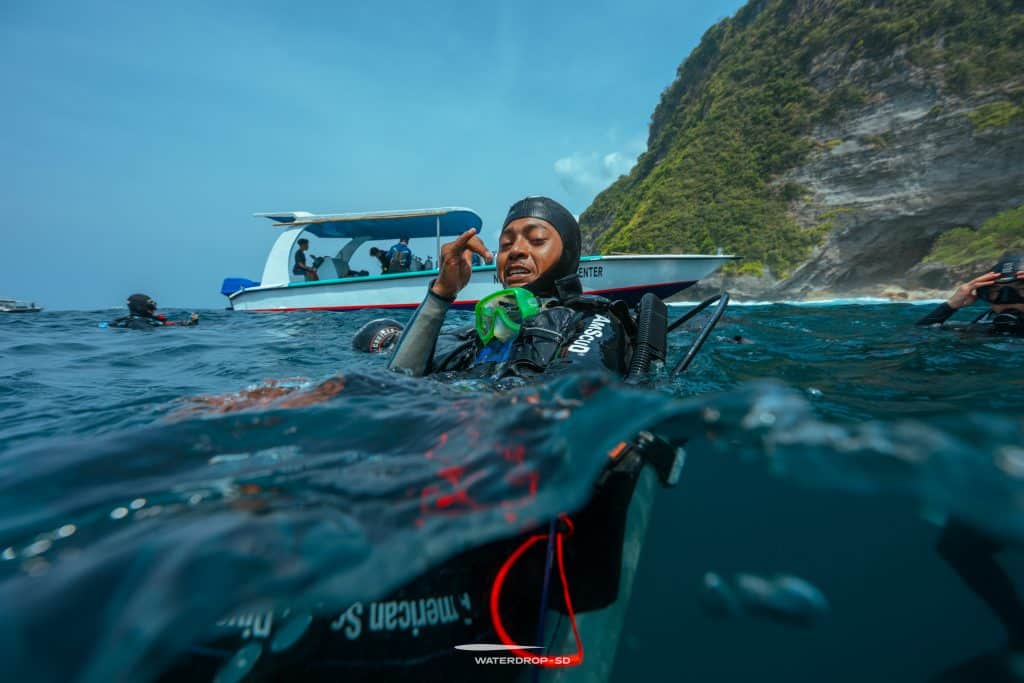
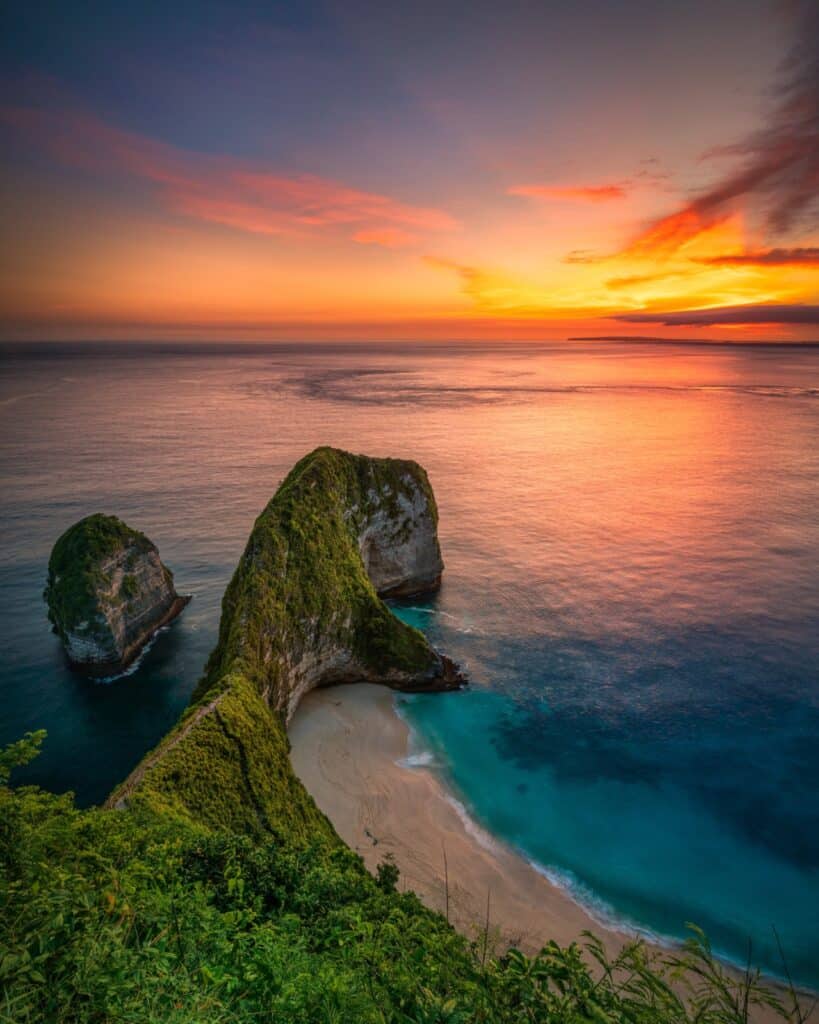
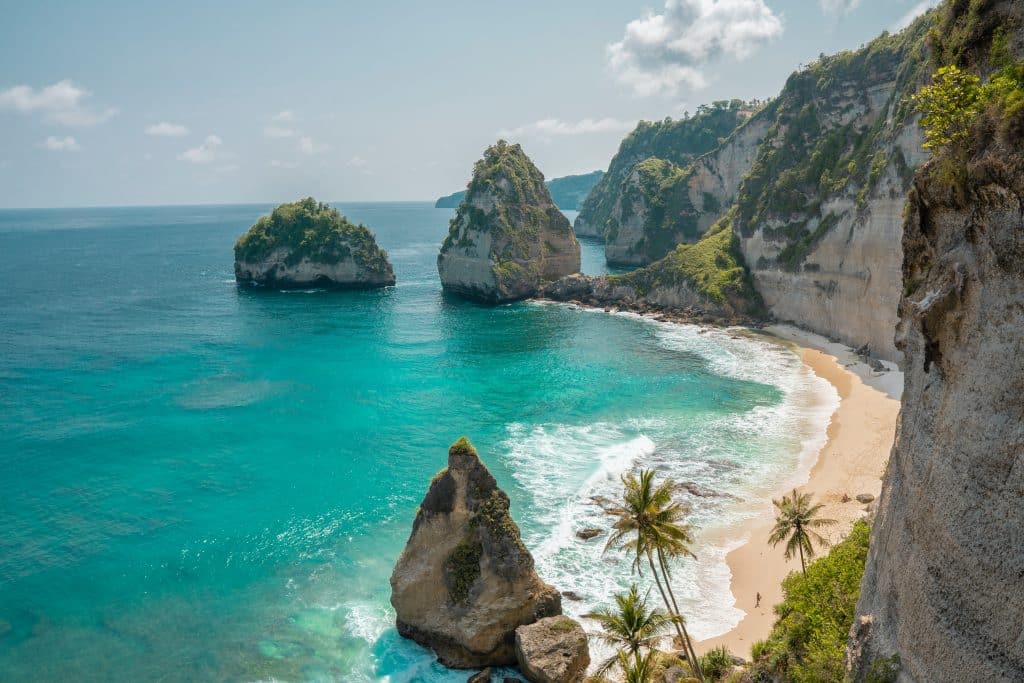
Imagine steep limestone cliffs dropping straight into vivid blue water, this pretty much sums up Nusa Penida. The island is full of viewpoints that genuinely take your breath away, places that feel powerful, raw, and completely shaped by the ocean. Many of Penida’s most famous spots are found along the coastline, each offering a slightly different perspective of just how dramatic this island really is.
Kelingking Beach is one of the most recognisable landmarks on the island, and you have almost certainly seen it before, it’s often used to advertise Bali itself. From above, the coastline curves sharply into the sea, creating a view that has become synonymous with Nusa Penida. The beach below is accessible by foot, but the descent is steep and not for everyone, so many visitors choose to admire the view safely from the clifftop, which honestly is just as impressive.
On the western side of the island, Broken Beach and Angel’s Billabong sit side by side, shaped by years of ocean erosion. Broken Beach features a natural arch carved through the cliffs, allowing waves to flow into a circular cove below. Just a short walk away, Angel’s Billabong forms a natural tidal pool, best visited during calm seas and low tide when the water is clear and still. On a good day, you can even spot manta rays cruising past from the viewpoint above, a reminder of how alive the ocean around Penida really is.
On the eastern coast, Diamond Beach and Atuh Beach offer a slightly softer contrast to Penida’s rugged cliffs. Here, white sand beaches sit below towering rock formations, with turquoise water and gentler swimming conditions on calmer days. These spots are best visited early in the morning, when the light is softer, the crowds are smaller, and the island feels a little more like itself.
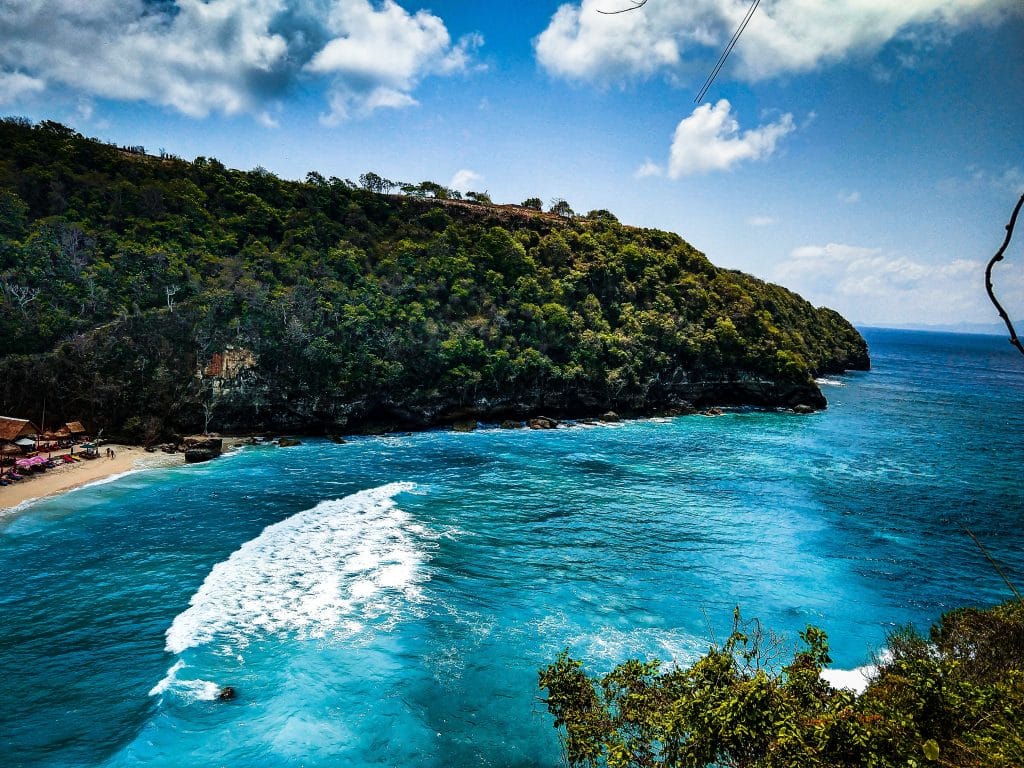
Crystal Bay offers a slightly different perspective of Nusa Penida, bringing you down from the cliffs to the water’s edge. Known for its calm bay, curved shoreline, and vivid blue water, it’s one of the few places on the island where you can simply sit by the ocean and slow things down. It’s a popular spot for sunset, swimming, and snorkelling on calmer days, and while it’s more accessible than some of Penida’s other beaches, it still manages to hold onto that relaxed, unpolished island feel.
The Ocean That Shapes Nusa Penida
Possibly one of Nusa Penida’s greatest treasures is the ocean that surrounds it. Unlike many other reefs in Indonesia, the waters here feel wild and ever-changing, shaped by strong currents, shifting tides, and distinct seasons. Conditions can change quickly, which gives the ocean around Penida a sense of movement and energy, it feels alive rather than carefully controlled.
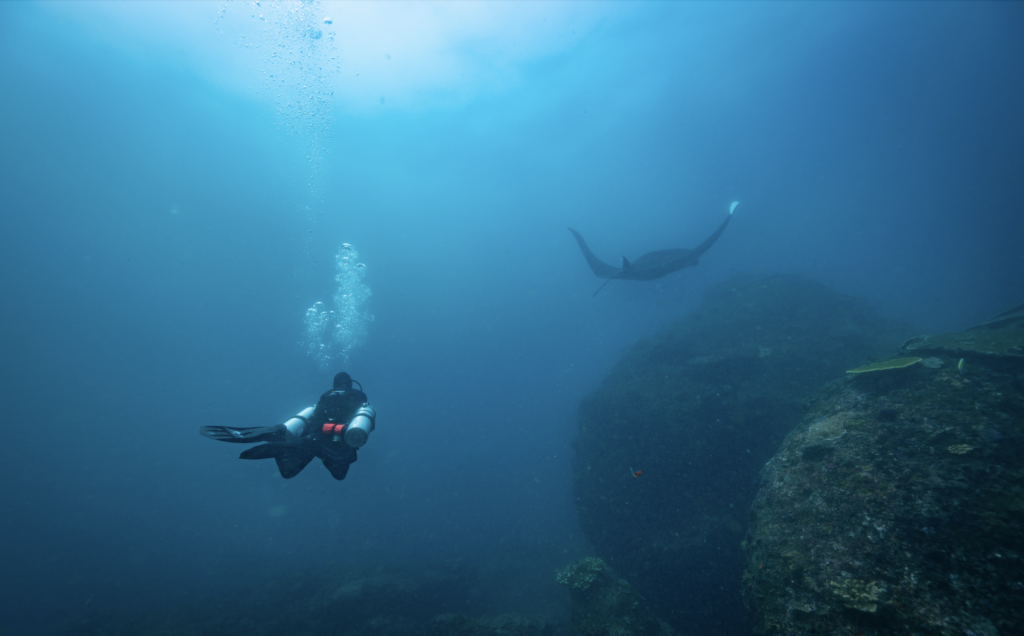
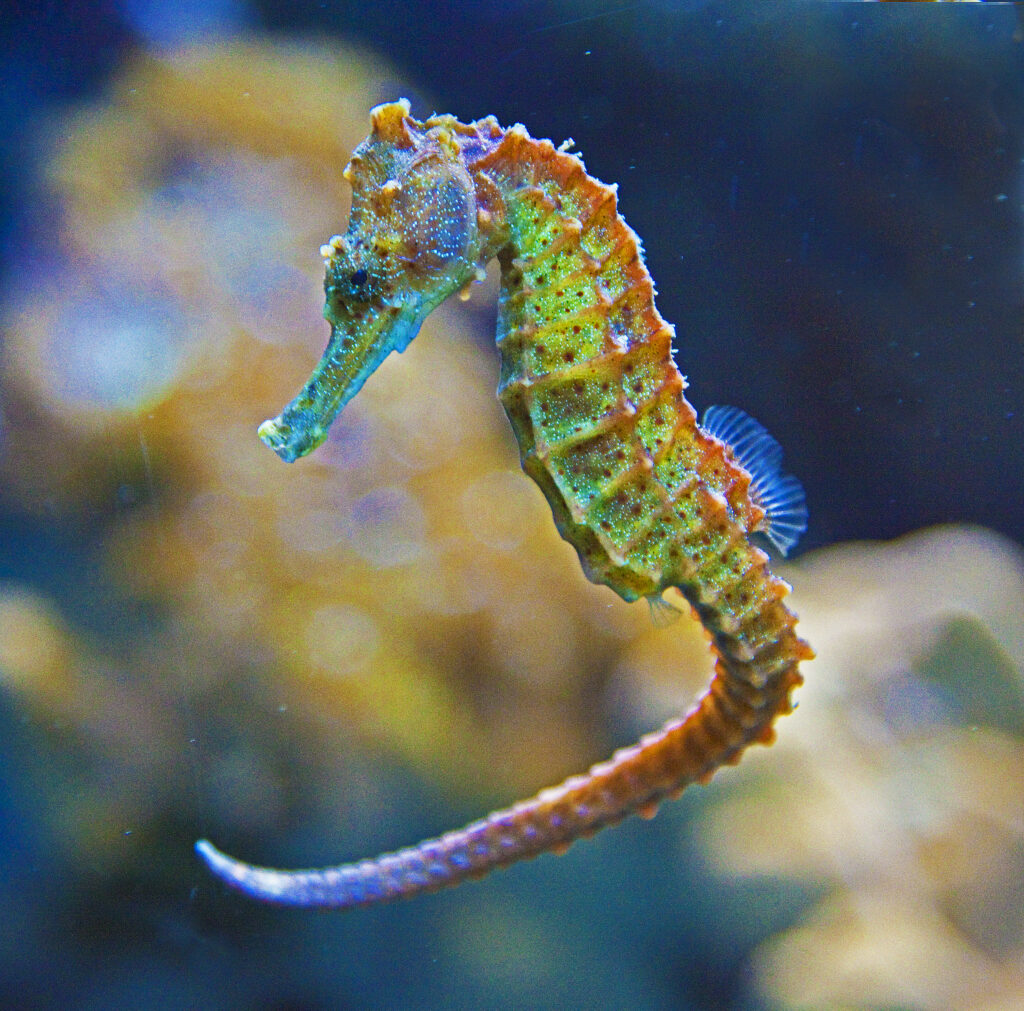
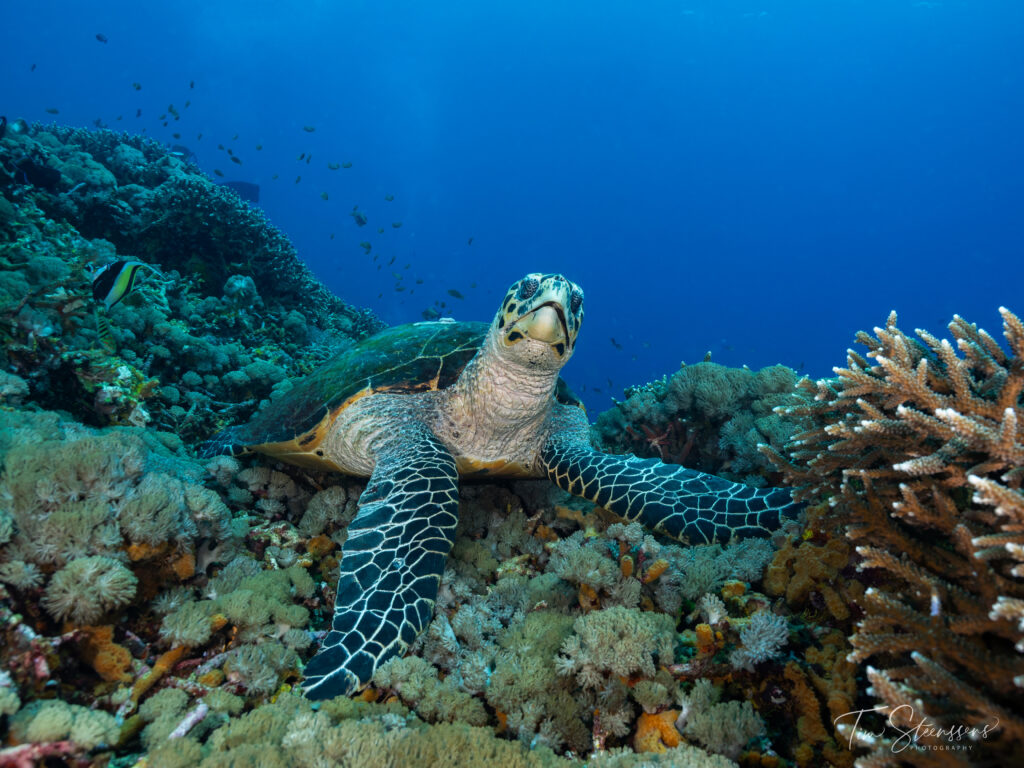
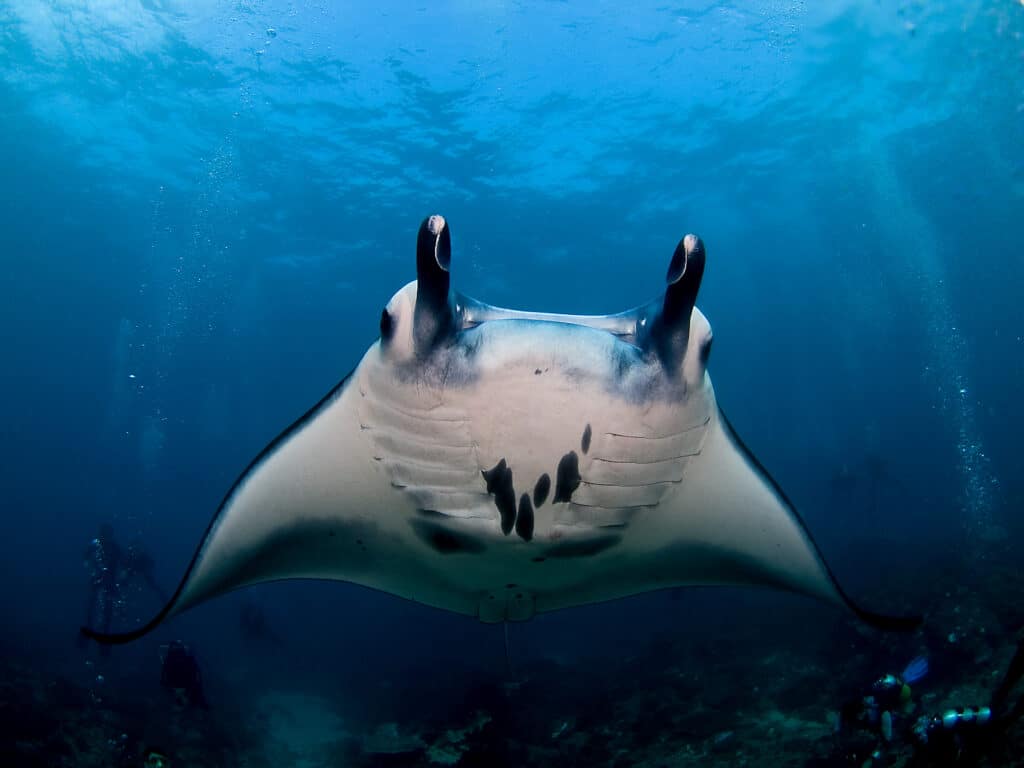
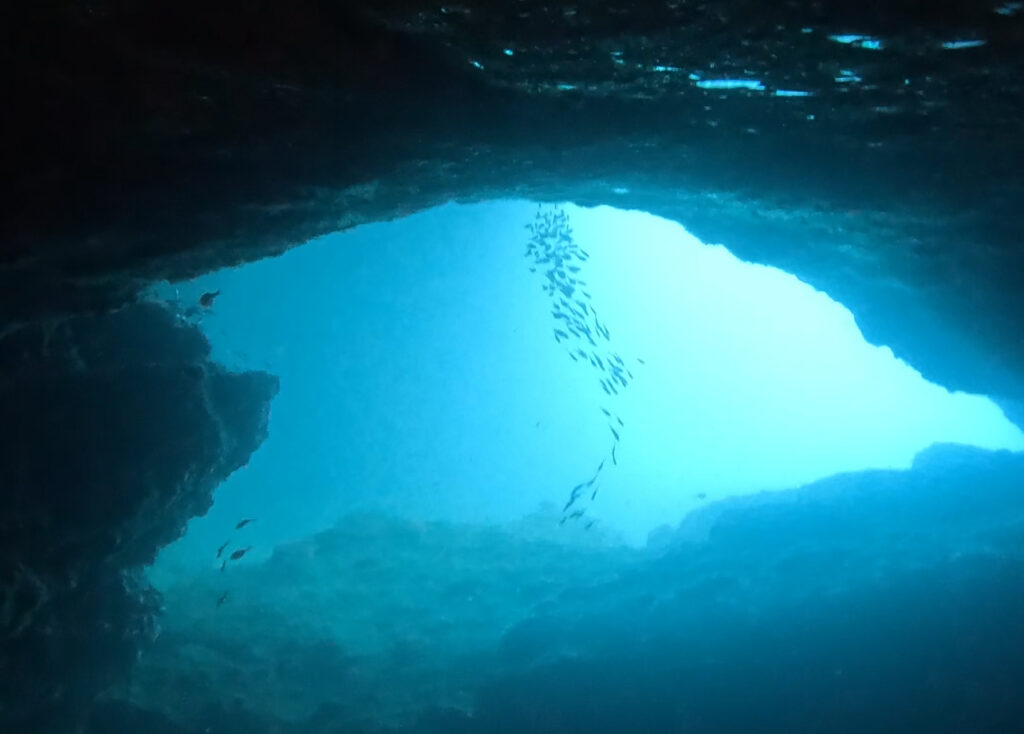
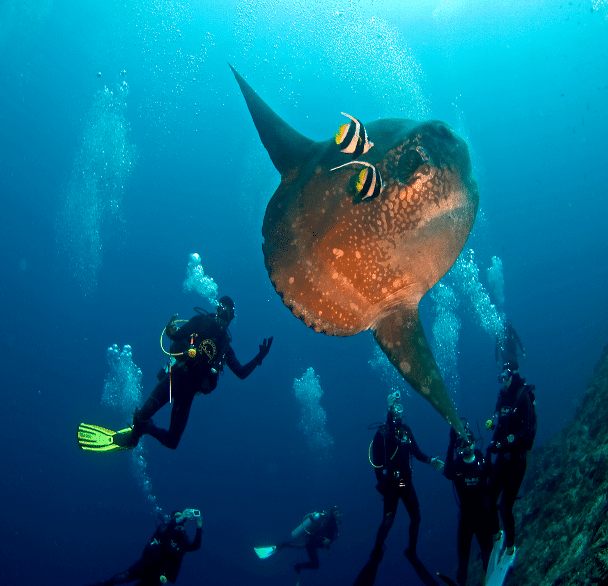
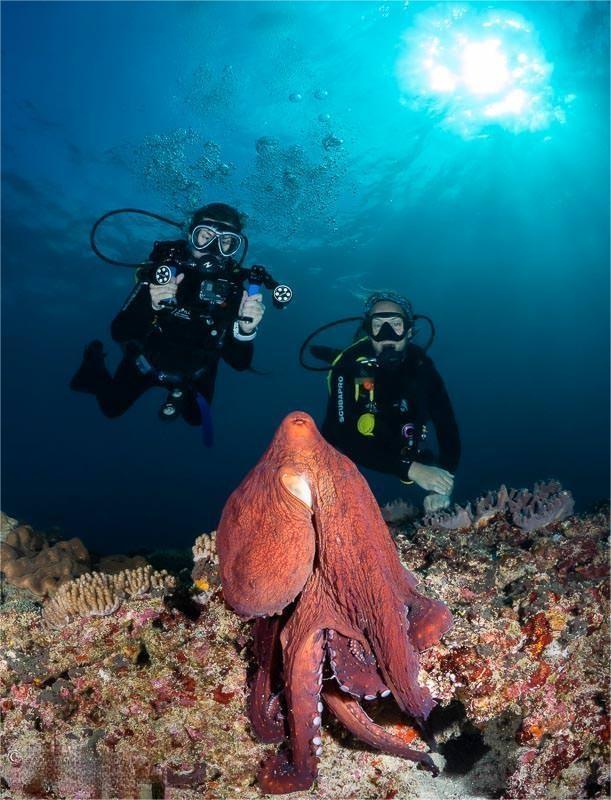
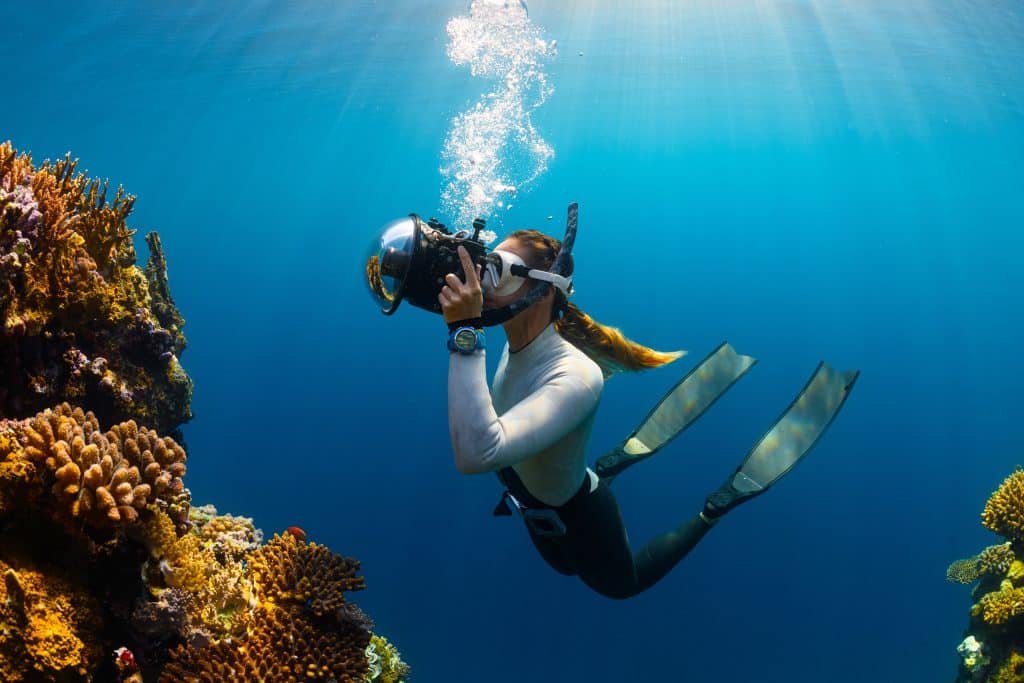
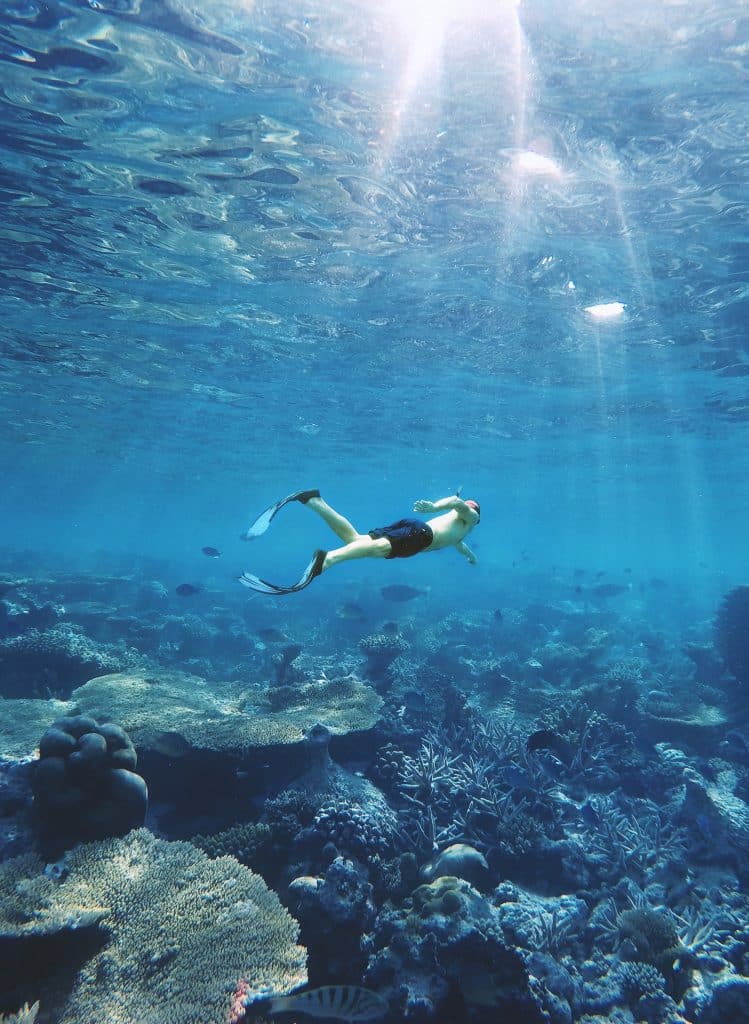
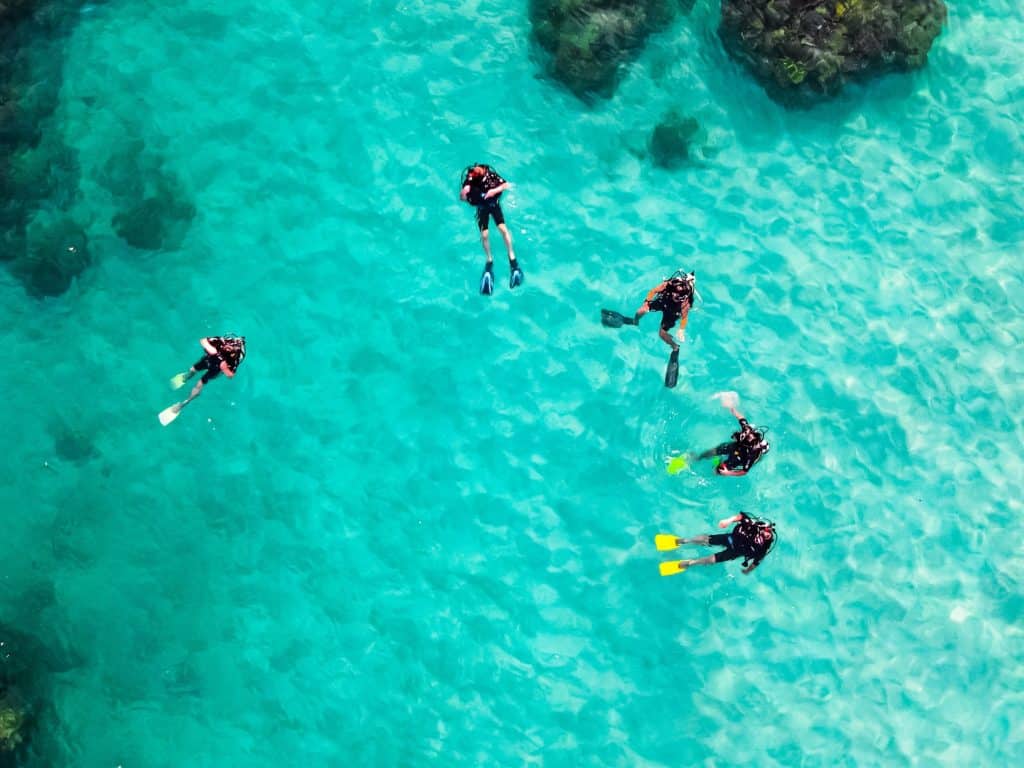
These waters are worth exploring if you find yourself on the island, whether by snorkelling or diving. On a good day, you might find yourself swimming alongside oceanic manta rays, gliding past hawksbill turtles, or moving with schools of barracuda as they pass through the blue. Even the smaller encounters stand out, from curious reef fish to the maze pufferfish that quietly drift along the reef.
Much of the reef around Nusa Penida slopes gently away, creating long underwater landscapes that allow you to move with the current rather than against it. It’s an experience that feels more like drifting than swimming, where the ocean sets the pace and reminds you that this environment is shared, not staged. It’s this constant sense of unpredictability and connection that makes the sea around Penida such a defining part of the island.
Getting Around Nusa Penida: What to Expect Before You Go
That said, getting around Nusa Penida does come with its challenges. Roads can be steep, uneven, and slower to navigate than they look on a map, so it’s worth planning fewer stops and allowing plenty of time to get around. For those who aren’t confident riding a motorbike, hiring a local driver is a popular and stress-free option, allowing you to explore the island comfortably while taking in the views along the way. Like most things on Penida, moving slowly tends to be rewarded.