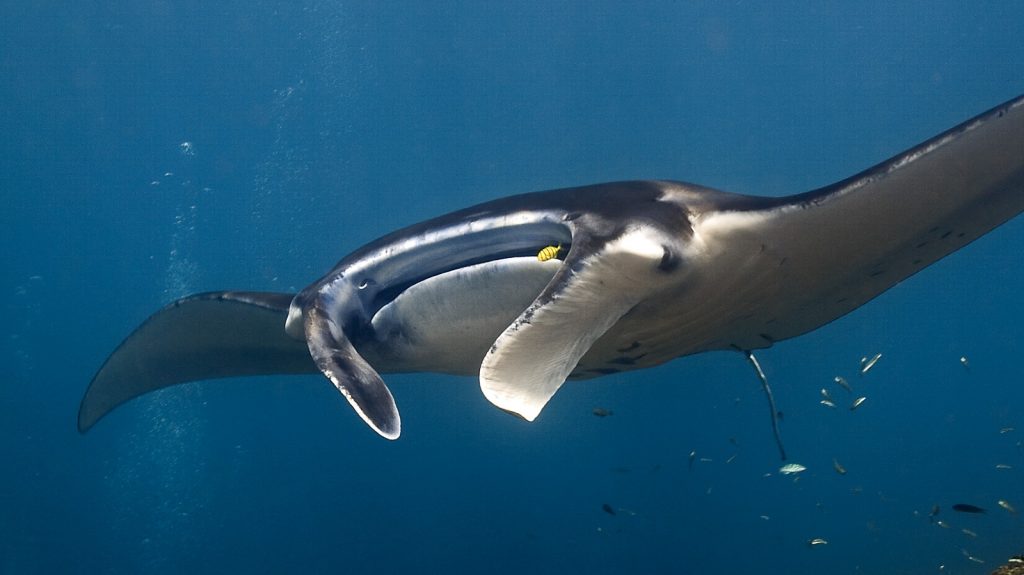
Have you ever had a manta ray gliding silently over your head? Seeing one of these gentle giants, with wingspans reaching over six metres, is one of the main reasons people travel to Nusa Penida to experience the magic beneath the surface. And while this moment will likely be one of the most unforgettable experiences of your life, it also comes with responsibility, ensuring we interact with manta rays ethically so these elegant mammals can continue to thrive here for generations to come.
Why Manta Rays Are Truly Remarkable
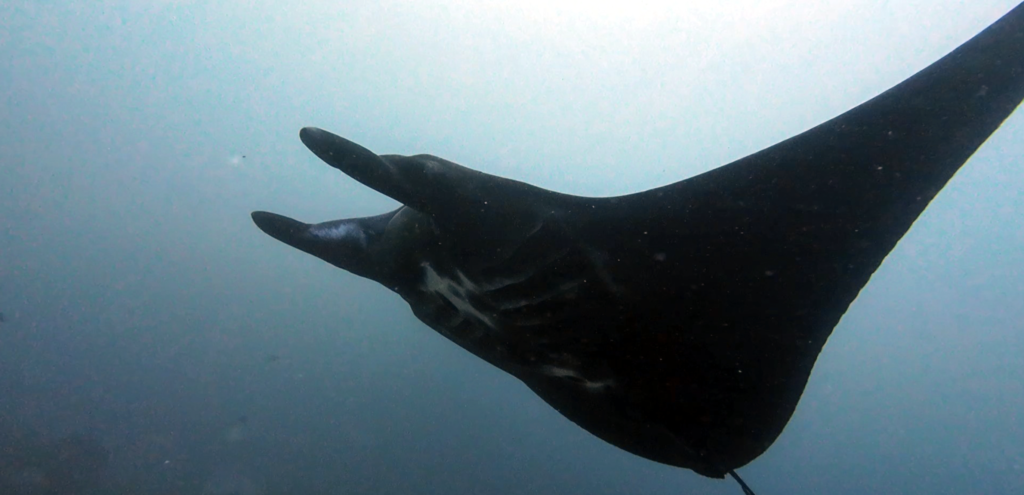
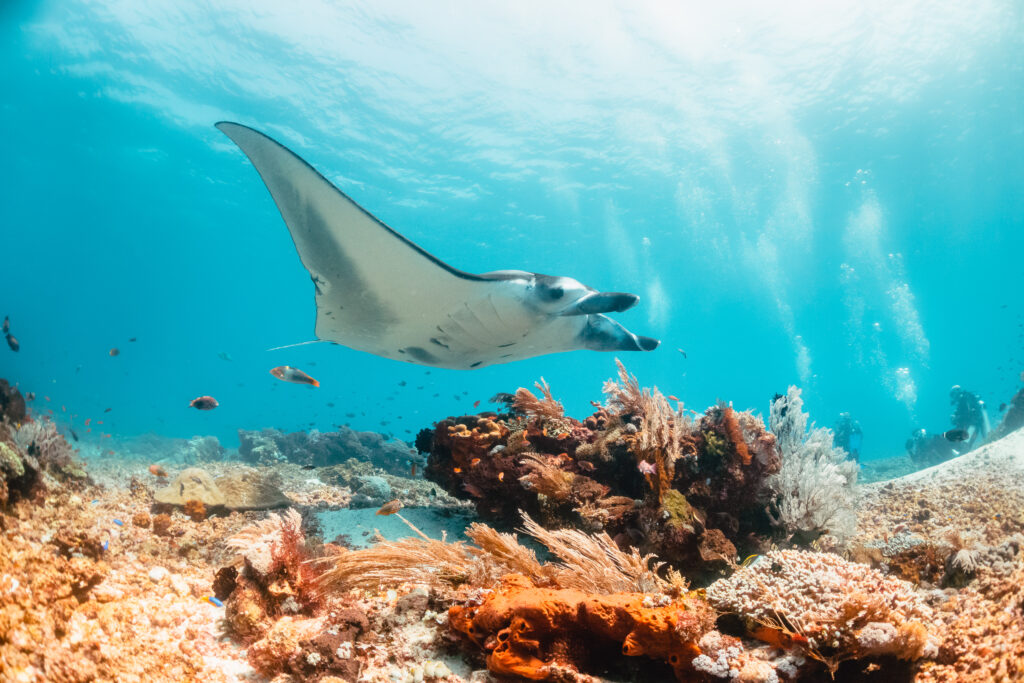
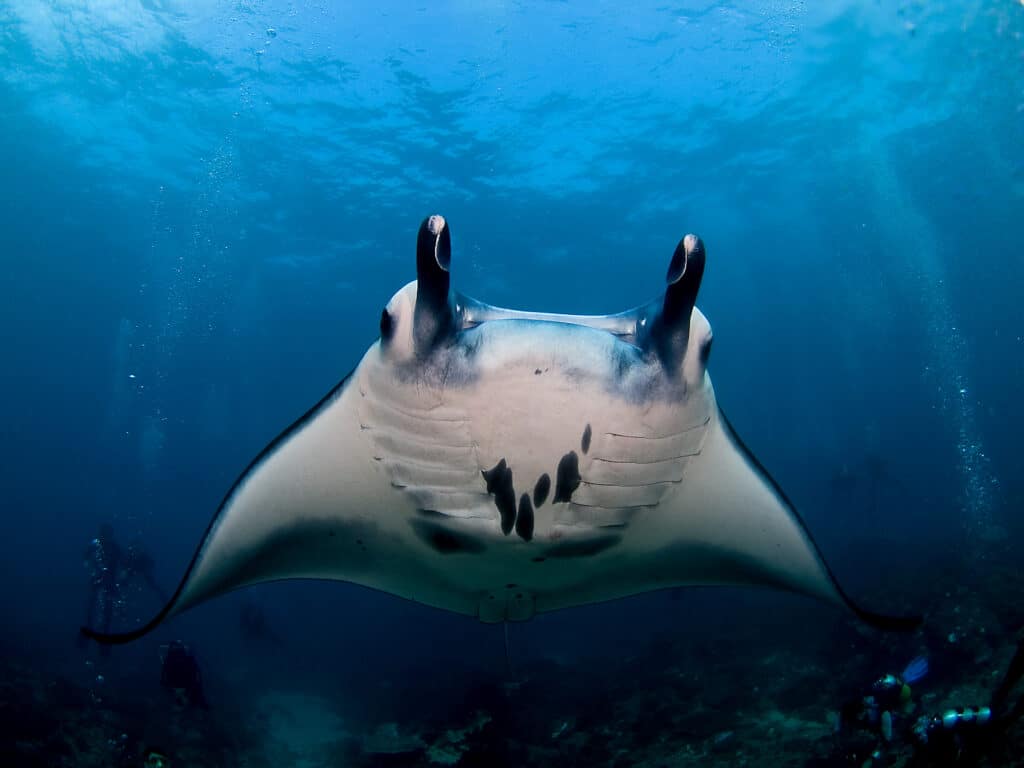
Manta rays are some of the largest rays in the world, with wingspans reaching up to 23 feet and weighing over 3,000 pounds. Despite their impressive size, they feed on tiny zooplankton, using their cephalic fins to gently funnel food into their mouths as they glide through the water. Each manta ray has a unique pattern of spots on its underside, much like a human fingerprint, which allows researchers to identify and track individuals over time. Like sharks, manta rays are cartilaginous, meaning their skeletons are made of cartilage rather than bone. As filter feeders, they must keep moving to push water over their gills for oxygen, which means you will never see a manta ray curled up and resting on the reef.
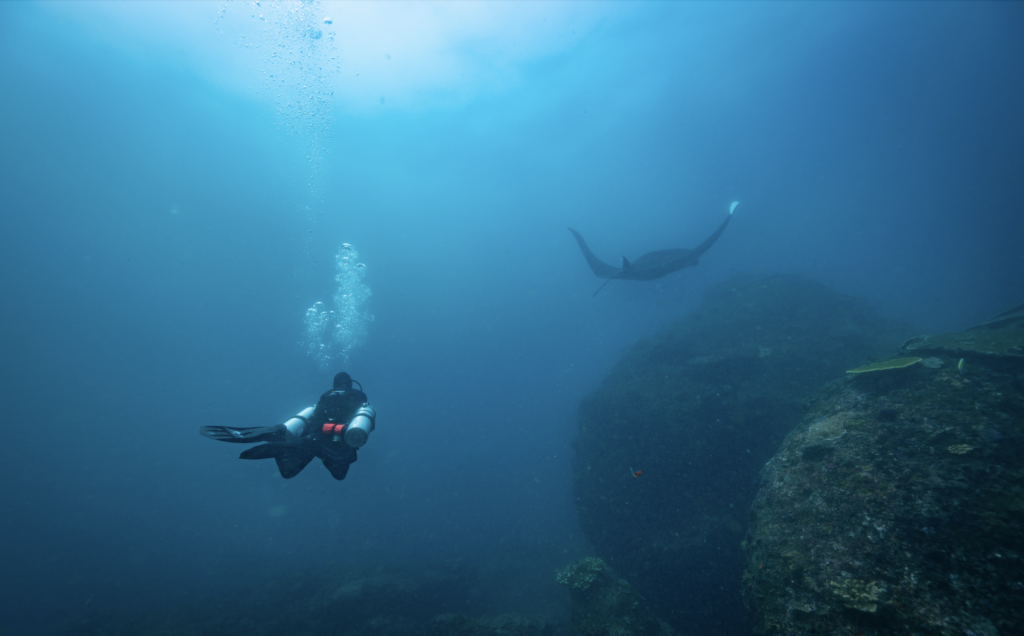
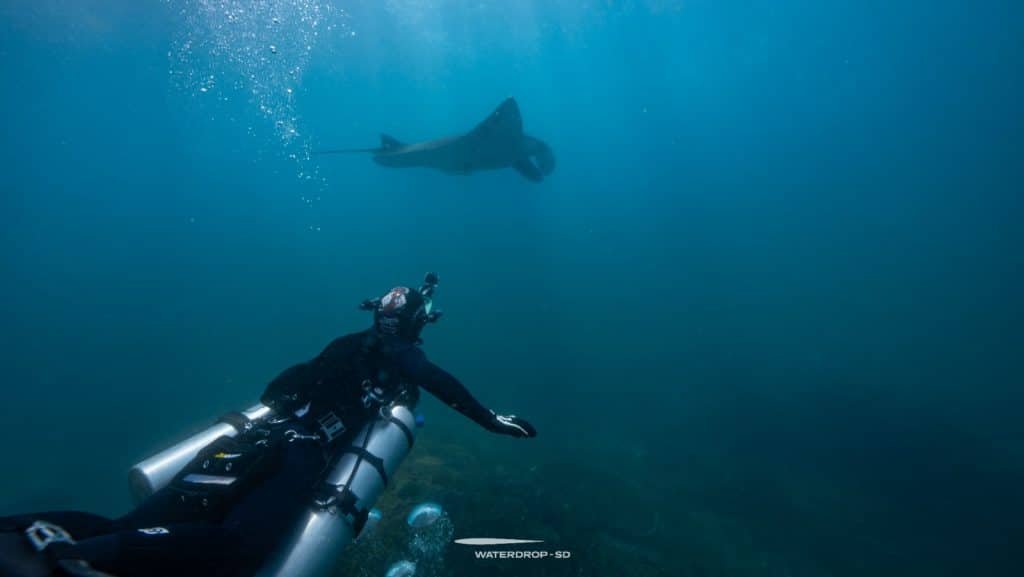
Manta rays are also incredibly intelligent. They have the largest brain of any fish, proportionally larger than even that of a whale shark, which might explain their complex behaviour and curiosity around divers. They love to play in your bubbles as a divers, so you will usually see them flying on top of you. Research has shown that manta rays are capable of recognising themselves in mirrors, a rare ability shared by only a handful of species, including great apes and bottlenose dolphins. This level of self-awareness highlights just how advanced these animals are and why encounters with them feel so special. Seeing a manta ray is not just a thrilling dive experience, it is a chance to observe one of the ocean’s most intelligent and fascinating creatures in its natural environment.
Why Manta Rays Come to Nusa Penida
Manta rays call Nusa Penida their home for one very specific reason, cleaning stations. You can think of these as manta rays’ very own underwater spa, where parasites, dead skin, and debris are gently removed. These stations are specific reef locations, such as rock formations or coral bommies, where small cleaner fish like wrasse and gobies clean manta rays in a mutually beneficial symbiotic relationship. This process is crucial for the health of manta rays, helping them heal wounds and stay clean, while providing cleaner fish with a nutritious meal. You will usually see manta rays hovering or slowly circling these underwater hubs while fish clean their gills, spiracles, and even the inside of their mouths. Nusa Penida’s unique currents, rich plankton supply, and natural reef formations create the perfect environment for manta ray cleaning stations. It is truly sensational as a diver to watch, as long as we stay in line and remain respectful.
Why Manta Rays Need Protection and Ethical Diving Matters
Despite their size, strength, and intelligence, manta rays are highly sensitive animals, especially when visiting cleaning stations. Any disruption during this crucial process can interrupt cleaning, cause significant stress, and even drive mantas away from the areas they rely on for their health and survival. When we find ourselves in this incredible environment, it is important to remember that our actions can directly affect these gentle giants and the natural cycles that allow them to live peacefully.
Unfortunately, manta rays are considered vulnerable by the IUCN, mainly due to their slow reproduction rates, overfishing, and bycatch. This makes it even more essential that we act responsibly when diving with them. Approaching too closely, swimming above them, blocking their path, or chasing interactions, however tempting, can prevent mantas from being cleaned properly and may cause them to abandon the station altogether. Imagine someone entering your shower while you are trying to clean, chasing you and taking photos, it quickly becomes stressful and disruptive. Respecting manta rays means allowing them the space they need to complete these vital behaviours undisturbed.
By keeping a respectful distance, staying low and still, and allowing mantas to control the interaction, divers help ensure these animals can continue their natural behaviours without harm. Responsible diving not only protects manta rays, but also helps preserve these special sites for future generations to experience in a way that is safe, sustainable, and respectful.
We encourage all divers to choose ethical dive centres, listen carefully to their guides, and follow their instincts to avoid causing unnecessary stress or harm to these elegant underwater animals. By diving responsibly, we can enjoy these extraordinary encounters while helping to protect them for the future.